
On August 3, NCQA is scheduled to release the HEDIS ® Measurement Year 2027 Volume 2: Technical Specifications for Health Plans, along with the MY 2027 specifications for long-term services and supports measures. The notification of changes and public comment materials already provide an early look at what’s coming, including new digital-first measures, evolving reporting requirements, and continued movement toward interoperable data standards.
Quality teams will focus immediately on what changed: updated value sets, revised data requirements, new measures, reporting transitions, and implementation timelines.
While quality teams will rightly focus on measure specifications and reporting requirements, there is a larger story unfolding.
As HEDIS continues its evolution toward Electronic Clinical Data Systems (ECDS) and Fast Healthcare Interoperability Resources (FHIR)-enabled data exchange, and digitally native measures, health plans face a growing challenge: collecting data is no longer enough.
The health plans that outperform their peers when it comes to HEDIS will be those that can turn data into action, guiding members to complete screenings, close care gaps, and engage in healthier behaviors.
HEDIS Is Becoming a Test of Member Engagement
Several of the changes under consideration for MY 2027 reinforce a trend we’ve been watching for years: quality performance increasingly depends on a health plan’s ability to influence member behavior.
Consider the two proposed measures receiving the most attention:
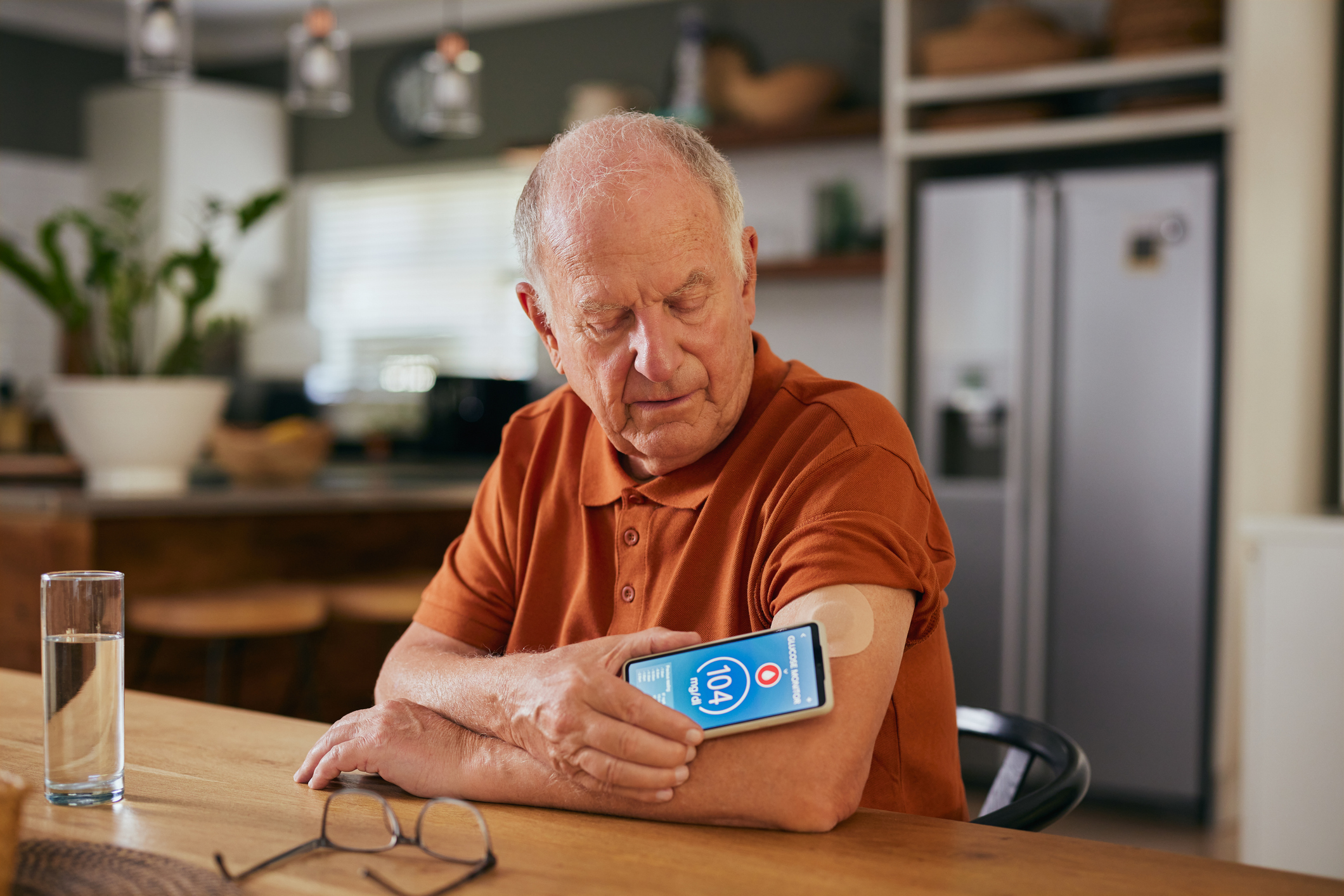
- Continuous Glucose Monitoring Utilization for Patients With Diabetes (CGD-E) would evaluate CGM utilization among members with diabetes.
- Follow-Up After Positive Colorectal Cancer Non-Invasive Screening Test (COF-E) would measure whether members complete a colonoscopy following a positive screening result.
Neither measure is simply about data collection.
Success requires health plans to identify eligible members, understand where they are in their healthcare journey, remove barriers to action, and motivate them to take the next step. In other words, these measures evaluate an organization’s ability to connect data, engagement, and outcomes.
A member may receive a positive colorectal screening result, but quality performance ultimately depends on whether they schedule and complete the follow-up colonoscopy. A diabetic member may qualify for CGM technology, but improved outcomes require awareness, adoption, education, and ongoing use.
Those are engagement challenges as much as quality challenges.
The Plans That Win Will Connect Data to Action
The proposed measures also reflect NCQA’s continued shift toward electronic data and interconnected ecosystems. Both measures rely on the ability to connect information across multiple sources, providers, and care settings.
Many health plans already possess much of the data they need.
The challenge is operationalizing it.
Questions quality leaders should be asking include:
- Can we identify members who are overdue for follow-up care in near real time?
- Can we personalize outreach based on language, demographics, geography, or previous engagement behavior?
- Can we remove friction by directing members to nearby providers or screening locations?
- Can we determine which messages, channels, and interventions actually drive action?
The organizations achieving the greatest gains in HEDIS performance are increasingly those that combine strong analytics with behavioral science-informed engagement strategies.
What the Denied Claims Change Really Means
One of the most significant upcoming changes may be NCQA’s decision to allow denied claims to be included in 21 utilization-related measures beginning in MY 2028. The change affects measures including Plan All-Cause Readmissions, Emergency Department Utilization, and Use of Opioids at High Dosage.
Many plans will focus on how this impacts reporting rates.
The more strategic question is what those rates reveal.
Quality, utilization, and engagement are increasingly interconnected. Higher emergency department utilization, avoidable readmissions, and medication adherence gaps often stem from the same underlying issue: members failing to take the right action at the right time.
More complete visibility into utilization patterns creates an opportunity to intervene earlier with targeted outreach, navigation support, and personalized education.
How to Close the Gap Between HEDIS Measurement & Outcomes
Health plans should view the MY 2027 changes as an opportunity to evaluate not only their measurement readiness, but also their ability to convert quality opportunities into member action. At Engagys, we help health plans move beyond measurement and focus on the behaviors that drive quality performance.
Our work combines:
- Data-driven audience identification and prioritization
- Segmentation based on barriers, behaviors, and engagement history
- Personalized, culturally relevant messaging
- Behavioral science-informed outreach strategies
- Coordinated multi-channel engagement across SMS, email, IVR, direct mail, and digital channels
- A/B testing & continuous optimization based on response, intent, and completion signals.
This approach has generated measurable results for health plans across key HEDIS initiatives. When plans use personalized messaging, we’ve helped them achieve 2x more care gaps closed among targeted members. By leveraging the behavioral science principle of authority, we’ve helped a plan increase mammogram completion rates by 30%, with automated outreach featuring a physician’s voice. In one particularly impactful initiative, our work helped a health plan achieve a 55% increase in colorectal cancer screenings among Hispanic members, earning NCQA recognition for closing a critical care gap.
As HEDIS evolves, health plans need more than compliant reporting. They need strategies that motivate members to complete screenings, adhere to treatment plans, and engage in their care.
Four Actions to Take Before the MY 2027 Specifications Arrive
Upon the roll-out of MY 2027, health plans should:
- Assess data readiness for emerging ECDS-first measures.
- Evaluate visibility into pharmacy, claims, and clinical data sources.
- Map the member journey following positive screenings and identify points of attrition.
- Review engagement programs supporting key HEDIS priorities, including cancer screenings, chronic disease management, and preventive care.
The future of HEDIS will not be determined solely by better measurement. It will be determined by an organization’s ability to transform data into meaningful member action.
Health plans that invest in both data connectivity and personalized engagement will be best positioned to improve quality performance, close more care gaps, and deliver better outcomes for the members they serve.
From Measuring Performance to Creating It
Preparing for HEDIS MY 2027? Let’s discuss how personalized engagement, behavioral science, and data-driven outreach can help your organization close more care gaps and improve quality performance.
HEDIS® is a registered trademark of the National Committee for Quality Assurance. Engagys is not affiliated with or endorsed by NCQA.