Blog Post
Small Steps, Big Impact: Why Condition Management Messaging Must Focus on Daily Habits
For members living with chronic conditions, managing their health can feel overwhelming. We know no one manages their health perfectly every day. Between appointments, managing medications, and everyday responsibilities, it can feel overwhelming. Oftentimes, member disengagement isn’t resistance, it’s fatigue.
That’s why condition management communications must move beyond reminders and focus on something more powerful: reinforcing small, consistent actions. The goal is to reduce friction, reinforce achievable behaviors, and support members in the moments that matter most.
Because that’s what drives sustainable change.
Why daily habits should anchor condition management messaging
Whether a member is managing asthma, diabetes, high blood pressure, or another chronic condition, steady routines are what keep health on track.
Plans often emphasize major interventions. But meaningful behavior change happens in everyday moments:
- Taking medications as prescribed and keeping follow-up appointments
- Monitoring symptoms and recognizing changes early
- Refilling prescriptions before they run out
When plans reinforce these manageable behaviors consistently, they help prevent flare-ups, reduce complications, and avoid unnecessary urgent care visits or hospital stays, improving health outcomes, while simultaneously protecting total cost of care.
Medication adherence is a clear example. Medications work best when taken consistently, maintaining steady levels in the body. Missing doses or stopping early disrupts that stability, often leading to setbacks that clearer, more empathetic education could help prevent. In our work, we achieved a 100% lift in medication adherence by personalizing barrier‑breaking messages at the individual member level.
Designing for small wins
Behavioral science shows people are more likely to sustain habits that feel achievable. Large, sweeping health goals can feel abstract. Small, repeatable behaviors feel doable.
Communications built around attainable actions, such as taking medication at the same time each day or setting refill reminders, help members build confidence. And confidence builds consistency.
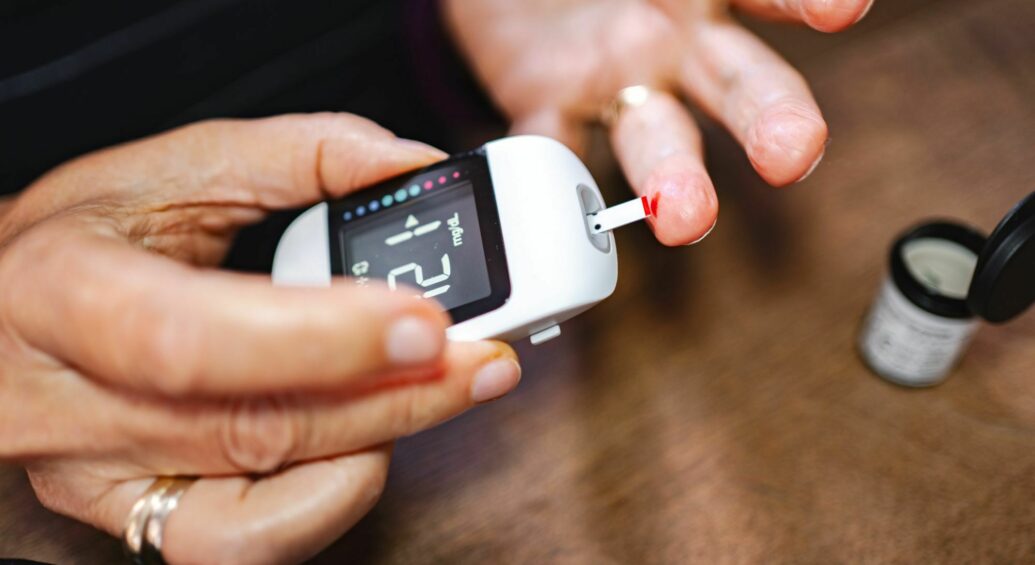
Engagys supported a population tapering off GLP-1s with targeted, behavioral science-informed messaging paired with continuous glucose monitoring. The results spoke for themselves: 50% of enrolled members successfully completed the taper, generating approximately $1,000 in monthly savings per member. Small, supported steps. Real, measurable results.
Why empathy and explanation matter
Effective condition management messaging is not just instructional, it’s educational and empowering.
Members are more likely to follow through when they understand the rationale behind their care:
- Why taking this medication matters
- Why consistency is critical
- Why timely refills prevent larger disruptions
- Why speaking up about side effects or cost concerns is essential
When individuals feel informed and involved, adherence improves. Plans that communicate with empathy, acknowledging the difficulty of managing a condition while providing clear guidance builds trust. And trust is foundational to sustained behavior change. For example, using monthly personalized education moved nearly 60% of members with hypertension back to in-control blood pressure.
The strategic opportunity for plans
Condition management outcomes will not improve through volume alone. More reminders, more touchpoints, or more channels don’t automatically translate to better adherence.
What drives change is clarity, relevance, and behavioral design.
Plans that shift from transactional messaging to behaviorally informed education do more than improve engagement. They strengthen trust, support long-term adherence, and influence outcomes that drive performance: quality measures, utilization patterns, and member retention.
The opportunity isn’t simply to remind members what to do. It’s to teach them how and why to do it, and to normalize getting back on track when life gets in the way.
Contact us to transform your condition management engagement strategy